Smart Energy Efficient Lighting Tips: Bright Ideas for Your Home and Business
Lighting plays a huge role in how comfortable and inviting your space feels. But did you know it also impacts your energy bills and environmental footprint? Switching to smart, energy-saving lighting ideas can make a big difference. Whether you’re upgrading your home or managing a business, these tips will help you save money and reduce energy use without sacrificing style or brightness.
Let’s dive into practical ways you can brighten your space smartly and efficiently.
Why Choose Energy-Saving Lighting Ideas?
You might wonder, why bother switching to energy-saving lighting ideas? The answer is simple: it saves you money and helps the planet. Traditional incandescent bulbs waste a lot of energy as heat. Modern lighting options use far less power and last longer.
Here are some benefits you’ll enjoy:
Lower electricity bills: Using less energy means paying less each month.
Longer-lasting bulbs: LED bulbs can last up to 25 times longer than incandescent ones.
Reduced carbon footprint: Less energy use means fewer greenhouse gas emissions.
Better lighting control: Smart lighting lets you adjust brightness and colour to suit your mood or task.
Imagine cutting your lighting costs by up to 80% while enjoying better light quality. Sounds good, right? Let’s explore how to make that happen.
Top Smart Energy Efficient Lighting Tips You Can Use Today
Ready to start saving? Here are some easy, effective tips to upgrade your lighting:
1. Switch to LED Bulbs
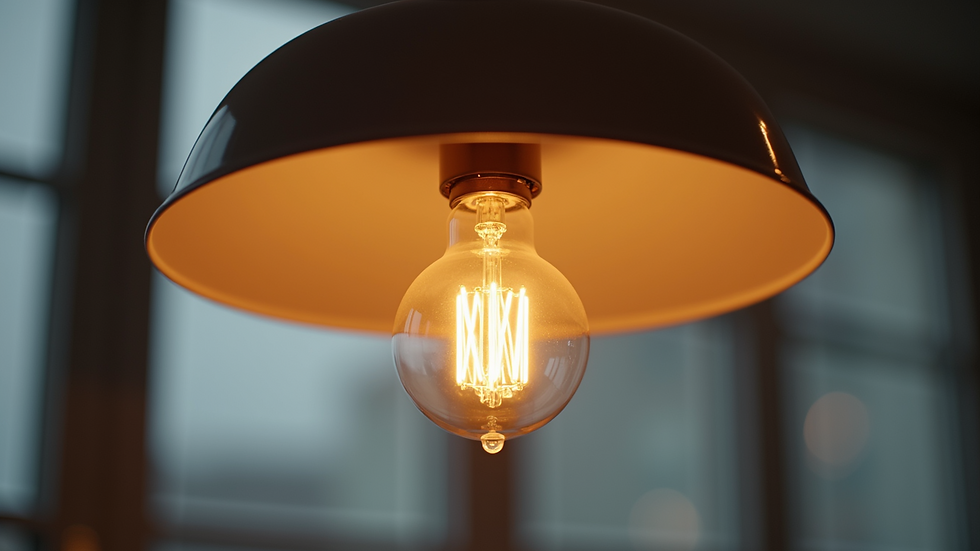
LED bulbs are the gold standard for energy efficiency. They use a fraction of the energy of traditional bulbs and last much longer. Plus, they come in a variety of colours and brightness levels.
Replace all incandescent and halogen bulbs with LEDs.
Choose bulbs with the right colour temperature: 2700K for warm light, 4000K for neutral, and 5000K+ for daylight.
Look for bulbs with the ENERGY STAR label for guaranteed efficiency.
2. Use Smart Lighting Controls
Smart lighting systems let you control your lights remotely or automate them based on your schedule.
Install dimmer switches to adjust brightness and save energy.
Use motion sensors in less-used areas like hallways and bathrooms.
Set timers or use smartphone apps to turn lights off when not needed.
3. Maximise Natural Light
Don’t underestimate the power of daylight. Use it to reduce your need for artificial lighting.
Keep windows clean and unobstructed.
Use light-coloured curtains or blinds that diffuse sunlight.
Arrange furniture to make the most of natural light during the day.
4. Choose Energy Efficient Fixtures
The fixture itself can affect energy use. Some designs reflect light better or allow for more efficient bulbs.
Opt for fixtures designed for LED bulbs.
Avoid fixtures that trap heat, as this can reduce bulb lifespan.
Consider outdoor fixtures with timers or sensors to avoid wasting energy.
5. Regular Maintenance
Keeping your lighting system in good shape helps maintain efficiency.
Clean bulbs and fixtures regularly to ensure maximum brightness.
Replace bulbs promptly when they burn out.
Check wiring and switches for any issues that could cause energy waste.
How to Pick the Right Lighting for Different Spaces
Different rooms and areas have different lighting needs. Here’s how to choose smart energy efficient lighting solutions for each:
Living Rooms and Bedrooms
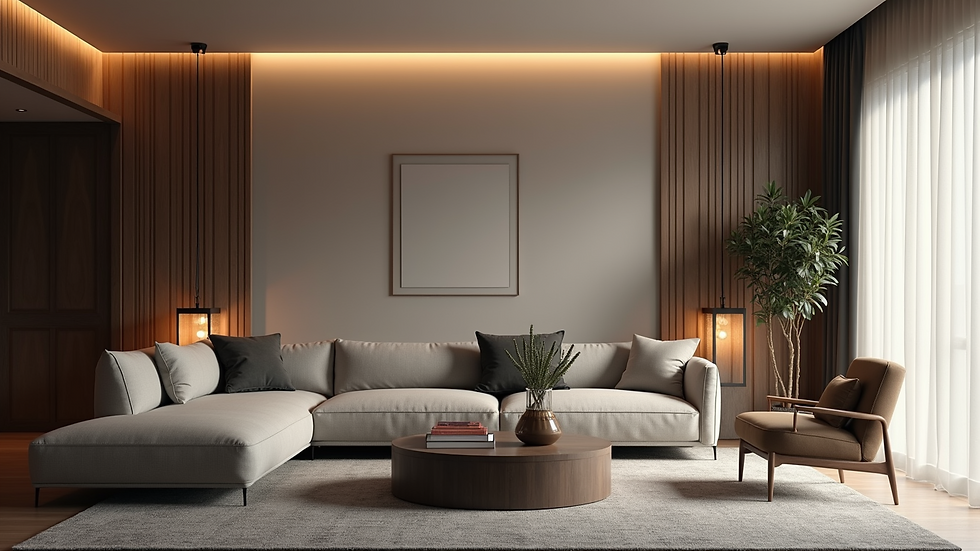
These spaces benefit from warm, soft lighting that creates a cosy atmosphere.
Use dimmable LED bulbs to adjust brightness.
Add table lamps or floor lamps for layered lighting.
Consider smart bulbs that change colour temperature for different moods.
Kitchens and Workspaces
Bright, clear light is essential here for safety and productivity.
Choose bulbs with a higher colour temperature (4000K-5000K).
Use under-cabinet lighting to illuminate work surfaces.
Install motion sensors to turn lights on and off automatically.
Bathrooms
Bathrooms need bright, glare-free lighting.
Use LED bulbs with a colour temperature around 4000K.
Install vanity lights around mirrors for even illumination.
Consider humidity-resistant fixtures for durability.
Outdoor Areas
Outdoor lighting improves security and usability.
Use solar-powered LED lights where possible.
Install motion-activated floodlights for security.
Choose fixtures with timers to avoid leaving lights on all night.

Common Mistakes to Avoid When Upgrading Your Lighting
Upgrading your lighting can be straightforward, but watch out for these pitfalls:
Buying the wrong bulb type: Check fixture compatibility before purchasing.
Ignoring colour temperature: The wrong light colour can make a room feel uncomfortable.
Over-lighting spaces: Too much light wastes energy and can cause glare.
Not using controls: Smart switches and sensors are key to maximising savings.
Neglecting maintenance: Dirty bulbs and fixtures reduce efficiency.
Avoiding these mistakes will help you get the most from your investment.
How V.I.R Electrical Can Help You Save Energy with Lighting
If you’re in Hampshire and want expert advice or installation, V.I.R Electrical is here to help. We specialise in safe, efficient electrical systems for homes and businesses. Our team can:
Assess your current lighting setup.
Recommend the best energy-saving lighting ideas tailored to your needs.
Install smart lighting controls and energy efficient bulbs.
Ensure all work meets safety standards.
We want to be your trusted electrician, making sure your lighting is both smart and safe. Reach out to us anytime for a consultation or to discuss your lighting upgrade.
Switching to smart, energy-saving lighting ideas is easier than you think. With the right bulbs, controls, and fixtures, you can enjoy a brighter, more comfortable space while cutting costs and helping the environment. Remember, small changes add up to big savings.
Feel free to connect with us for more tips or professional support. Let’s light up your home or business the smart way!
For more information on energy efficient lighting solutions, visit our website and discover how we can help you save energy and money.


Comments